

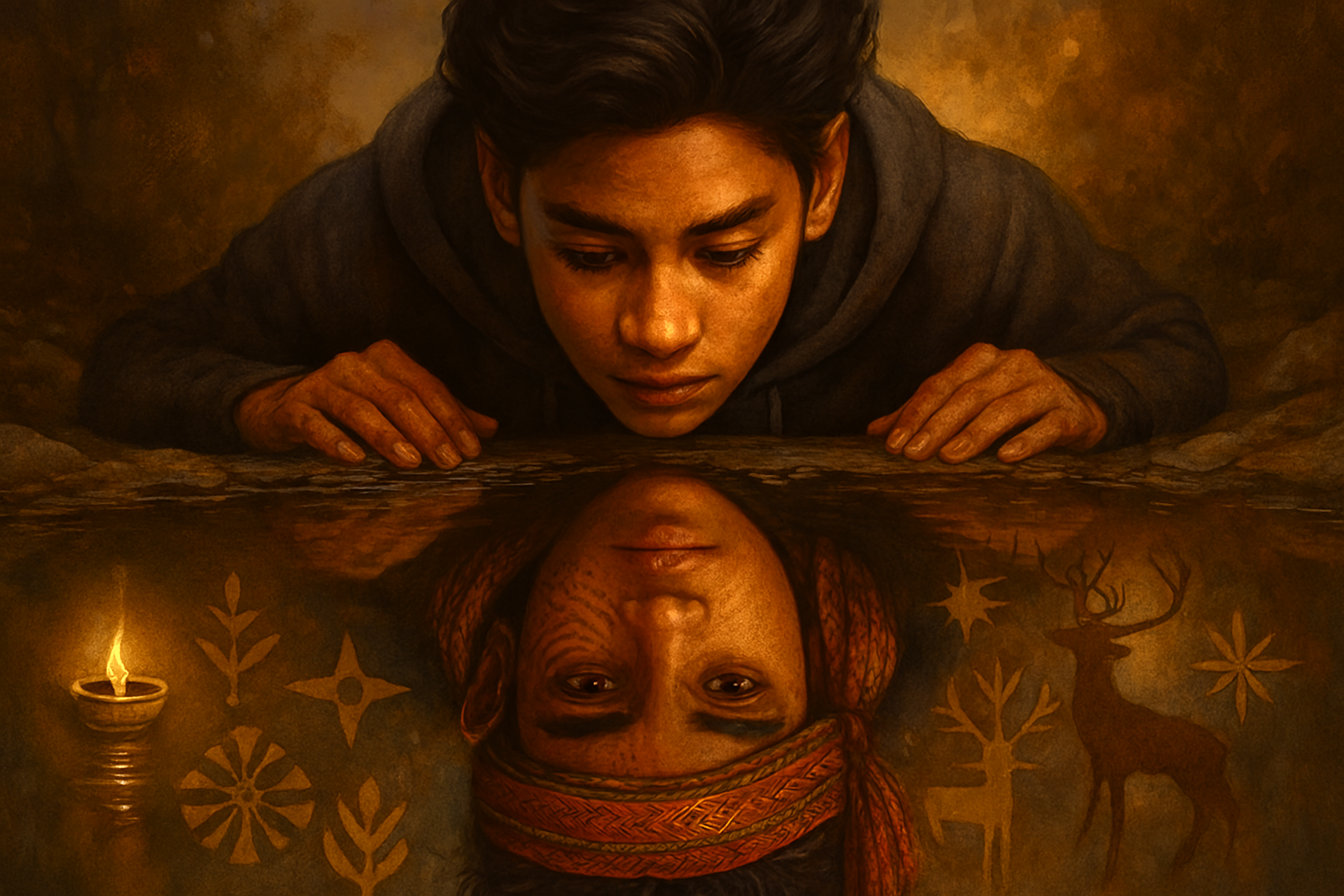
Culture is more than just a backdrop to our lives. It is the lens we use to see ourselves and the world. The language we speak, the food we eat, and the way we celebrate all show how culture shapes who we are. This article looks at how culture affects identity. We will explore language, food, religion, customs, and media.
Culture: The Foundation of Identity
What is Culture?
Culture is the set of shared beliefs, customs, traditions, values, language, and practices of a group of people. It passes from one generation to the next. Culture shapes how we see ourselves and the world.
How Culture Shapes Identity
Culture gives us rules and values that guide our actions and thoughts. It affects how we act with others, express feelings, and understand our place in society. For example, it decides how we greet people, say thanks, or show respect. These shape who we are.
The Medium of Thought and Identity
The Role of Language
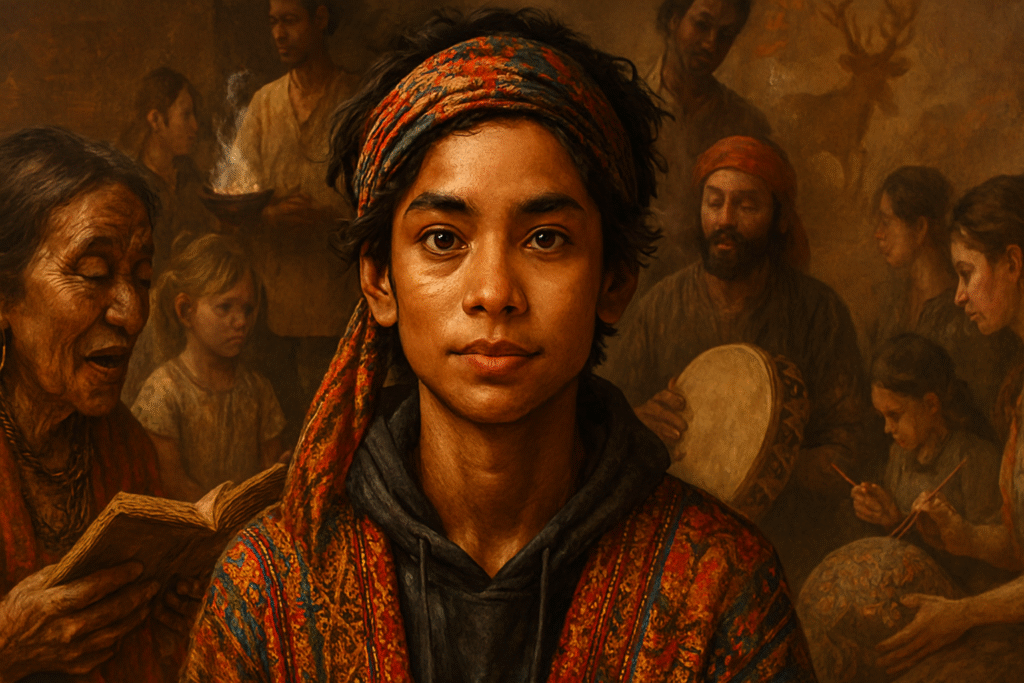
Language is a key part of culture. It helps us think, communicate, and share values.
Influence on Identity
The language we speak affects how we see the world. Some languages have many words for family members, showing the importance of family. Words and grammar can also shape our thinking and social interactions.
Food: A Reflection of Heritage and Identity
Cultural Significance of Food
Food shows our heritage and traditions. How we cook and eat reflects our culture.
Food and Identity
Some dishes are linked to festivals or family events. Sharing meals brings people together and strengthens a sense of belonging.
Religion and Beliefs: Guiding Principles of Identity
The Role of Religion
Religion gives rules, rituals, and a worldview. It guides behavior and self-understanding.
Impact on Identity
Religion affects decisions about marriage, work, and daily life. Even cultural practices from religion influence identity.
Customs and Traditions: Connecting to Community and History
Cultural Practices
Customs like festivals, rituals, and etiquette connect people to their community.
Influence on Identity
Joining cultural events strengthens shared values and group identity. Celebrating a holiday or family tradition keeps us connected to our roots.
Media: Shaping Perceptions and Identity
Cultural Transmission Through Media
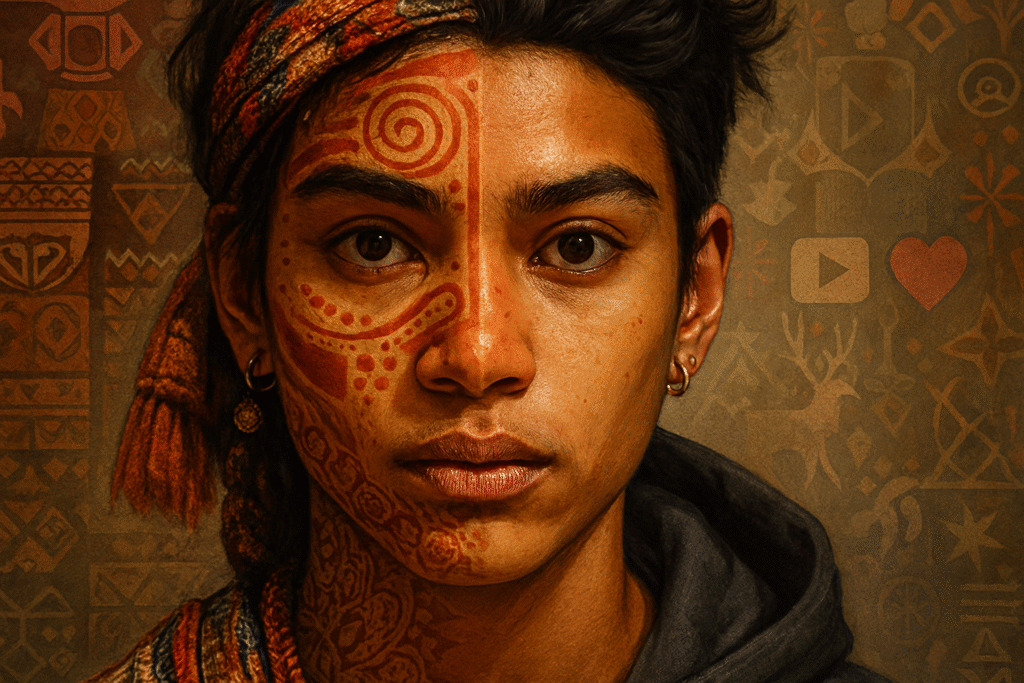
Music, stories, films, and social media share cultural norms and ideas.
Media’s Impact on Identity
Media shapes how we see ourselves and others. It influences ideas about success, beauty, and gender roles. It also allows people to express culture.
Cultural Roles and Expectations: Defining Social Identity
Social Norms and Roles
Culture sets rules for behavior, age, gender, and community roles.
Shaping Personality and Behavior
Individualistic cultures may encourage independence. Collectivist cultures may focus on cooperation. These norms shape personality.
Multicultural Identity: Navigating Multiple Cultural Influences
Living Between Cultures
Some people grow up with more than one culture. Children of immigrants often balance heritage and local cultures.
Impact on Identity
Blending cultures can create a hybrid identity. It may make people adaptable but sometimes leads to conflicts between cultural expectations.
Cultural Roots and Heritage: Anchoring Identity
Connection to Ancestry
Knowing your cultural history gives a sense of continuity.
Reinforcing Belonging
Learning traditions and speaking your heritage language builds pride and strengthens community ties.
Real-Life Examples
- Language and Identity: A bilingual person may feel connected to their heritage when speaking one language and fit in with society when speaking another.
- Food and Identity: Cooking traditional festival meals helps people feel connected to culture and family.
Comparison Table: Cultural Influences on Identity
| Aspect | Influence on Identity |
|---|---|
| Language | Shapes thought and communication |
| Food | Reflects heritage and family bonds |
| Religion | Provides moral guidance and life purpose |
| Customs | Strengthens community and belonging |
| Media | Influences perceptions and social roles |
| Cultural Roles | Defines behavior and expectations |
| Multiculturalism | Fosters adaptability and diversity |
| Heritage | Anchors identity in ancestry and tradition |
FAQs
How does culture influence personal identity?
Culture shapes behavior, values, and how we see ourselves.
Can identity change over time?
Yes, it can change with new experiences and cultural influences.
What role does language play in cultural identity?
Language affects thinking, communication, and social life.
How do customs and traditions impact identity?
They strengthen shared values and a sense of belonging.
What is multicultural identity?
It is the blending of multiple cultures, creating a hybrid sense of self.
Conclusion
Culture shapes who we are. It guides how we think, act, and see ourselves. Understanding culture helps us know ourselves better and navigate a diverse world.
LinkLuminous – Make Your Brand Shine Online
LinkLuminous helps businesses grow their digital presence with powerful marketing, design, and SEO strategies. Boost visibility, attract more customers, and turn clicks into real conversions.
Ready to grow your brand? Visit LinkLuminous.com
