


Cultural values are the ideas a group of people thinks are important. These can include freedom, equality, or respect. Values help guide how people act and make choices.
Cultural beliefs are what people in a culture see as true. Beliefs often come from values. They shape how people view the world and their role .
Together, values and beliefs form the heart of a culture. They influence daily life, laws, and customs.
The Role of Cultural Values and Beliefs in Society
Cultural values and beliefs are very important in society. They help guide people and communities.
Shaping Behavior: Values and beliefs show what is right and wrong. They guide what people do.
Setting Social Norms: They form the rules of behavior in society.
Creating Unity: Shared values and beliefs bring people together.
Guiding Decisions: They help people make choices that match their culture.
Material vs. Non-Material Culture

Culture has both visible and invisible parts:
Material Culture: These are physical things, like clothes, buildings, and technology. They reflect cultural values.
Non-Material Culture: These are ideas, language, customs, and beliefs. They shape how people behave and interact.
How Values, Beliefs, and Norms Work Together
Norms are the behaviors a society expects. There are three types:
- Folkways: Everyday habits (like shaking hands).
- Mores: Important rules with strong moral meaning (like not stealing).
- Taboos: Strong bans on certain actions (like incest).
Values and beliefs guide these norms. They show what is right or wrong in a culture.
Cultural Relativism vs. Ethnocentrism
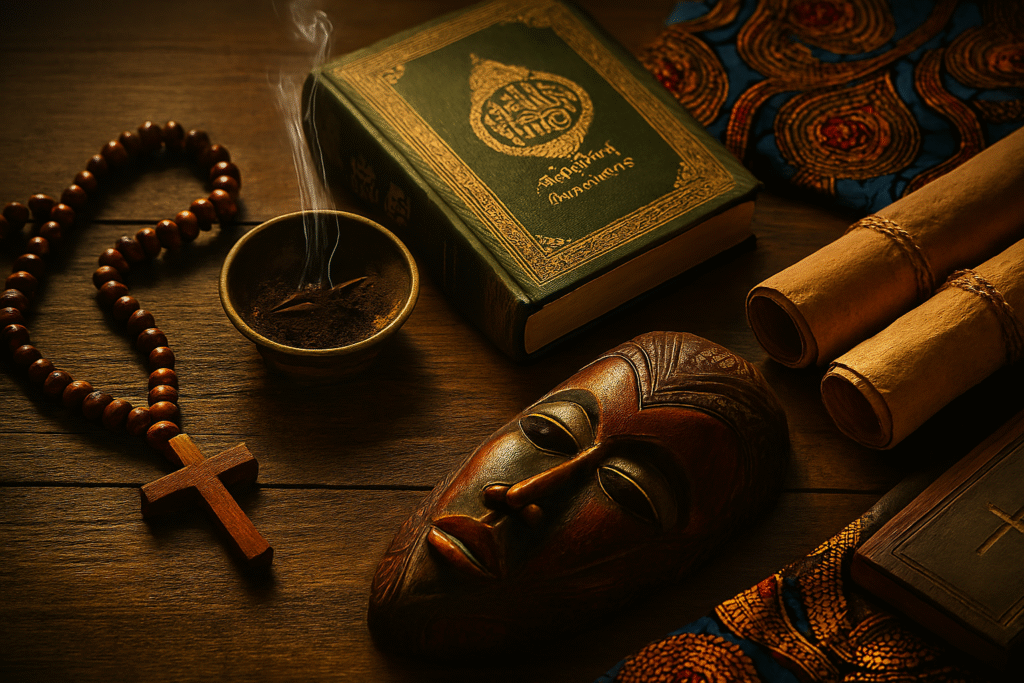
Cultural Relativism: We should understand other cultures in their own way. This helps tolerance and understanding.
Ethnocentrism: Judging other cultures by your own standards. This can lead to bias and misunderstanding.
Understanding these ideas helps in global interactions.
Real-Life Examples
- American Dream: In the U.S., hard work can lead to success. This shows the value of individualism.
- Collectivism in Japan: Group harmony guides decisions and behavior.
Summary
Cultural values and beliefs guide behavior, set social rules, and unite communities. Respecting them helps us understand and work with different cultures.
LinkLuminous – Light Up Your Digital Growth!
Boost your brand with expert web design, SEO, and marketing solutions that drive real results. From visibility to conversions — we make your business shine online.
Start growing today at LinkLuminous.com
FAQs
Q1: How do cultural values affect behavior?
They show what is acceptable and guide actions.
Q2: Can cultural values change?
Yes, values can change with technology, social movements, or globalization.
Q3: What is the difference between values and beliefs?
Values guide behavior. Beliefs are things people accept as true.
Q4: How are norms related to values and beliefs?
Norms are expected behaviors shaped by values and beliefs.
Q5: Why is it important to understand cultural values?
It helps us respect others and communicate better in a diverse world.
Author Bio
This article was written by [Author Name], a sociologist with over [X] years of experience in cultural studies and social research. [Author Name] has contributed to various academic journals and is passionate about promoting cross-cultural understanding.
References
- “Culture, Values, and Beliefs | Introduction to Sociology.” Lumen Learning.
- “Material and Non‐Material Culture – Sociology.” CliffsNotes.
- “Cultural Relativism.” Verywell Mind.
- “Ethnocentrism.” Wikipedia.
- “The Elements of Culture.” Howard Community College.
