

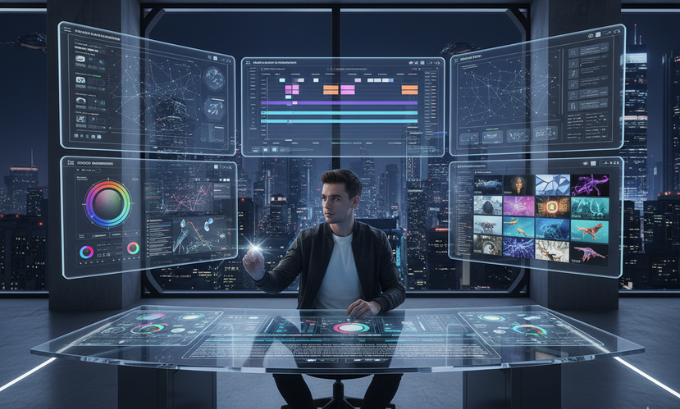
The world of video creation is moving faster than ever, and the tools we use are getting smarter. The painstaking process of manually editing videos is quickly being replaced by a more efficient workflow powered by AI video editing. For content creators and marketers, embracing this technology is no longer optional. As we look at the latest cybersecurity trends for 2025, it’s clear that AI is a dominant force across all tech sectors. This guide will explore the essential tools and features that are redefining video production, helping you create better content with less effort. To get started, you might want to explore some of the best AI tools of 2025.
Table of Contents
The Rise of AI in Video Editing
Just a few years ago, video editing was a skill reserved for professionals with access to expensive software and powerful hardware. The process involved manually sifting through hours of footage, making precise cuts, correcting colors, and cleaning up audio. This made high-quality video production a significant investment of time and money.
Today, artificial intelligence has completely changed the game. AI-powered tools can analyze video content in minutes, automatically identifying key moments, removing mistakes, and applying polished edits. This shift is a major topic at industry events like the Consumer Electronics Show 2025, where the future of Generative AI Tools is on full display. This technological leap has democratized video creation, empowering anyone to produce professional-grade content.
Key Features of AI Video Editing Tools
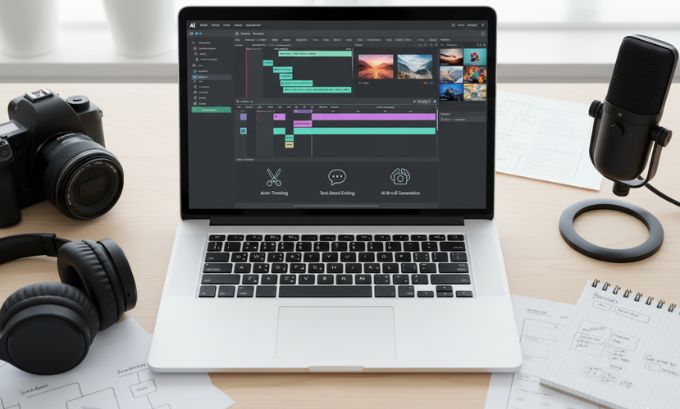
Modern AI video editing platforms come loaded with powerful functionalities that automate the most demanding aspects of post-production. These AI-Powered Video Editing Features allow creators to bypass technical hurdles and focus on their creative vision.
- Text-Based Editing: Imagine editing a video just like a text document. This feature transcribes your footage, allowing you to delete words or rearrange sentences in the text to make corresponding cuts in the video timeline.
- Automatic B-Roll Insertion: Instead of spending hours looking for stock footage, you can have the AI automatically add relevant clips and images to your video. This adds valuable context and visual flair.
- Smart Audio Enhancement: AI can instantly remove distracting background noise, eliminate filler words like “ums” and “ahs,” and shorten awkward pauses, resulting in clean, professional audio.
- Automated Clip Generation: This feature is a game-changer for content repurposing. AI can scan a long video, like a podcast, and pull out dozens of engaging, short-form clips ready for social media.
- Intelligent Reframing: The AI automatically keeps the main speaker or subject centered in the frame, even when you switch from a horizontal to a vertical aspect ratio for mobile viewing.
Top AI Video Editing Platforms to Explore
The AI video editing market is crowded, but a few platforms have emerged as clear leaders, each offering unique strengths.
Opus Clip
Opus Clip is a specialist in transforming long-form content into viral short clips. It’s built for speed and efficiency, making it an essential tool for podcasters, streamers, and YouTubers. Its “AI Virality Score” analyzes clips and predicts their potential for success, a feature that is incredibly valuable for social media marketing. This is a great example of how you can work with artificial intelligence to improve outcomes.
Descript
Descript offers a unique, text-based approach to video editing. Its workflow is as simple as editing a Word document. Powerful features like the “AI Underlord” assistant, which can handle complex tasks like background removal, and “Regenerative AI” for refining voiceovers, make it a versatile choice. It’s an innovative tool that rethinks the entire editing process.
Filmora AI
For creators who want the control of a traditional editor with the power of AI, Filmora AI is an excellent option. It integrates advanced AI features, such as text-based editing and vocal removal, into a familiar desktop interface. This hybrid approach gives users the best of both worlds: creative control and automated efficiency.
Invideo AI
Invideo AI takes video creation a step further by generating complete videos from a simple text prompt. It can create faceless YouTube videos or marketing content without any raw footage. Just provide a topic, and it will generate a script, find relevant visuals, and add a voiceover. This makes it a powerful tool for rapid Content Creation and Marketing.
D-ID Studio
D-ID Studio is a leader in creating hyper-realistic digital avatars. It uses deep-learning technology to animate a still photo, making it speak any script you provide. This is ideal for corporate training videos, educational content, and personalized marketing messages where a human-like presenter is desired.
Gling AI
Gling AI is designed to streamline the workflow for YouTubers. It takes raw footage and automates nearly everything, from trimming out bad takes and silences to generating engaging titles and subtitles. It’s built to produce a finished video with minimal effort. This kind of automation is also seen in tools like affordable accounting software for startups.
How AI Video Editing is Revolutionizing Marketing
The influence of AI on video production goes far beyond just saving time. It’s reshaping Content Creation and Marketing strategies. With AI, brands can produce video content at a scale that was previously impossible. This allows for more frequent posting, A/B testing of creative approaches, and a stronger presence on video-first platforms. Understanding AI in social media marketing is crucial for modern marketers. The ability to instantly turn one webinar into twenty social media clips maximizes the value of every content asset.
For those looking to dive deeper into related tech topics, sites like Ponta.in and GoGoNiHon offer a wide range of articles. These resources cover everything from emerging AI technologies to practical software guides, providing valuable insights for anyone interested in the digital landscape.
Challenges and Future Trends in AI Video Editing
While AI video editing is incredibly powerful, it’s not without its challenges. AI can sometimes miss the subtle creative choices a human editor would make, like preserving a dramatic pause. The output can also feel generic without proper customization. This is why the demand for skilled professionals is growing, leading to more opportunities for AI engineer jobs.
Looking ahead, the future of AI video editing points toward even greater intelligence. We can expect AI to become better at understanding emotional context and collaborating with human creators. As the technology matures, it will become an even more indispensable partner, similar to how LinkLuminous enhances web development.
Frequently Asked Questions
1. Can AI replace human video editors entirely?
No. AI is a powerful assistant for handling technical tasks, but human creativity and storytelling intuition remain irreplaceable. AI tools augment, rather than replace, human editors.
2. Are AI video editing tools difficult to learn?
Most platforms are designed to be user-friendly. Many web-based tools have intuitive interfaces that require no prior editing experience, making it easier than learning from even the best coding courses.
3. What’s the difference between regular and generative AI video editing?
Regular AI automates tasks on existing footage (e.g., cutting silences). Generative AI Tools create new content, such as generating an entire video from a text prompt. It’s helpful to understand this when learning about concepts like what is Meta AI.
4. Can I use AI to edit videos for free?
Many tools offer free trials or limited plans. For full features without watermarks, a paid subscription is usually needed. This model is common, even with services related to the Facebook subscription.
5. How does AI identify the best clips in a long video?
AI analyzes the video’s transcript, audio cues, and visual elements to find the most engaging moments. It looks for strong hooks, questions, and energetic segments to create standalone clips.
Conclusion
AI video editing is a transformative technology that is reshaping the content creation landscape. Platforms like Opus Clip, Descript, and Filmora AI are empowering creators to produce higher-quality content faster than ever. By automating the technical side of editing, these tools free up valuable time for creative work. Embracing this technology is essential for staying competitive in today’s digital world. If you want to learn more about the broader tech industry, consider exploring resources from Mumbai Times, IbommaNews, and Bangalore News.
