

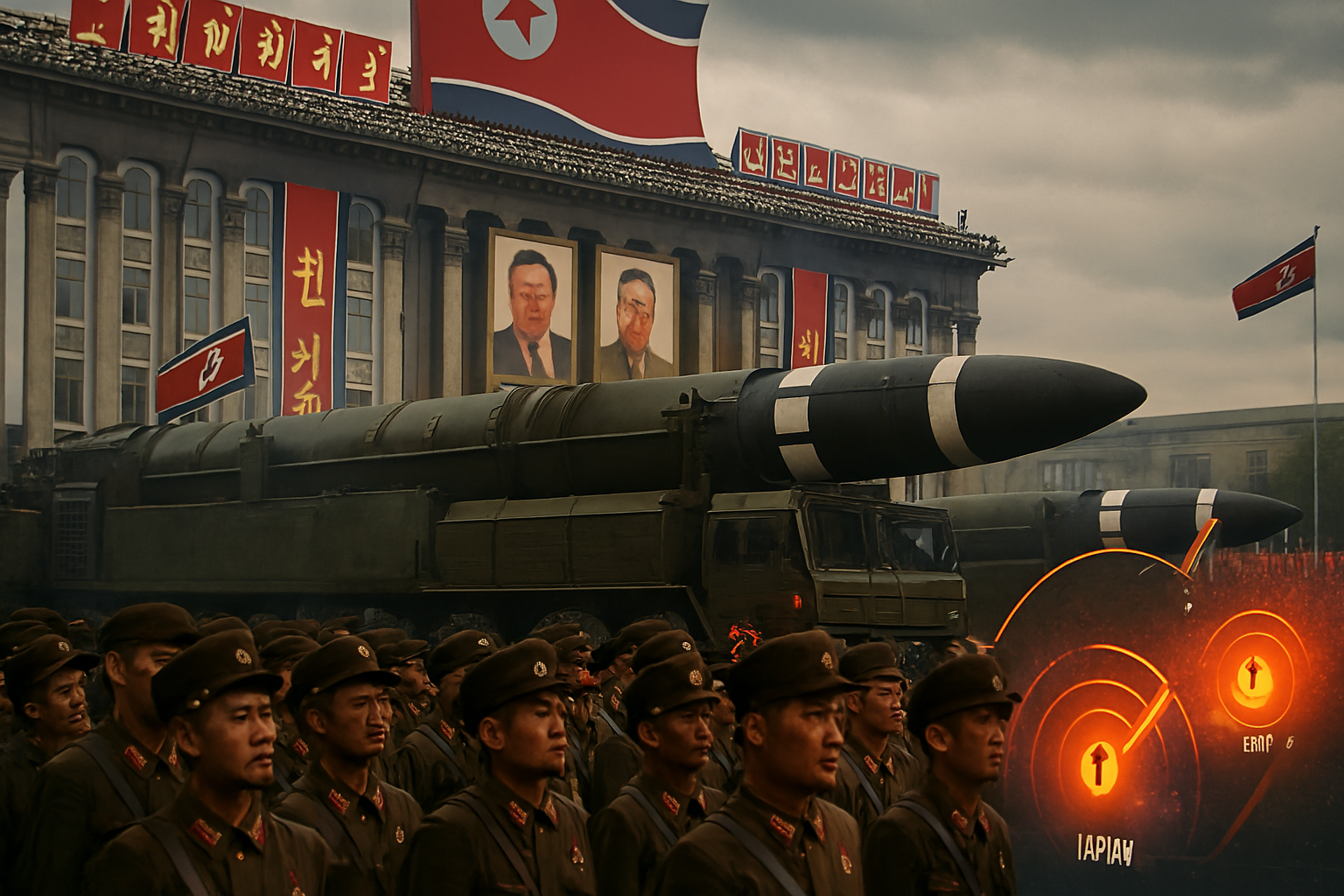
On October 30, 2024, North Korea tested its longest missile ever. The missile went very high. It reached 7,000 kilometers in the sky. It flew 1,000 kilometers before landing in the sea between Japan and Russia. This test worried many countries. They fear it could be a threat to the region and the world.
What Happened During the Missile Test?
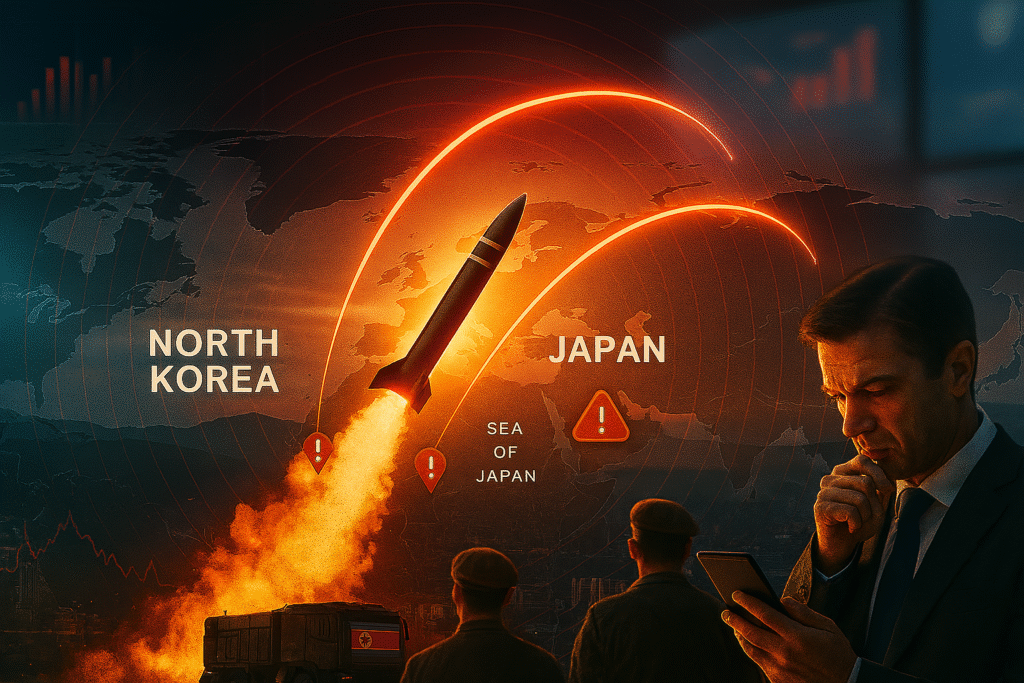
On October 30, 2024, North Korea fired a solid-fuel missile. It is believed to be the Hwasong-19. The missile went up 7,000 kilometers and flew 1,000 kilometers before landing in the sea between Japan’s Hokkaido and Russia. The flight lasted about 87 minutes. This was the longest North Korean missile flight so far. It shows that North Korea can reach targets far away.
Why Is This Test Important?
The missile was solid-fuel. Solid-fuel missiles are faster and easier to launch than liquid-fuel ones. This makes them more dangerous. The missile flew over Hokkaido, Japan. This shows the growing threat to nearby countries.
Geopolitical Implications
Reactions from Japan, South Korea, and the U.S.
Japan and South Korea are very worried. They see the test as a threat to regional safety. The United States also condemned the launch. It promised to protect its allies in the Indo-Pacific. These reactions show rising tensions in the region.
North Korea’s Nuclear Plans
Leader Kim Jong Un says nuclear weapons are important for the country’s safety. North Korea is working to improve its missiles and nuclear weapons, despite global sanctions.
North Korea-Russia Cooperation
North Korea is helping Russia in the Ukraine conflict. Russia may be giving North Korea advanced missile and nuclear technology. This makes experts worried about more dangerous weapons spreading.
Strategic Alliance
North Korea and Russia want to reduce U.S. influence. Both oppose U.S. sanctions and want closer military and economic ties. This alliance could change the balance of power in the region.

Nuclear Test Preparations
North Korea’s Punggye-ri nuclear site is still active. It may host a seventh nuclear test. Analysts think the next test could happen around big events, like the U.S. elections. This would show strength and challenge global denuclearization efforts.
Comparative Overview
| Missile Type | Fuel Type | Estimated Range | Strategic Significance |
|---|---|---|---|
| Hwasong-15 | Liquid | 13,000 km | Potentially reaches U.S. mainland |
| Hwasong-18 | Solid | 15,000+ km | Enhanced mobility and rapid deployment |
| Hwasong-19 | Solid | 15,000+ km | Longest flight duration; over 7,000 km altitude |
FAQs:North Korea Missile Test Today
1. What is the Hwasong-19 missile?
The Hwasong-19 is a solid-fuel intercontinental ballistic missile developed by North Korea. It is capable of reaching altitudes exceeding 7,000 kilometers and has a range sufficient to target the U.S. mainland.
2. Why is solid-fuel technology important?
Solid-fuel missiles are more mobile and quicker to launch compared to liquid-fuel missiles, enhancing their effectiveness as a strategic deterrent.
3. How has Japan responded to the missile test?
Japan has condemned the missile test, viewing it as a direct threat to regional stability. The missile’s trajectory over the Japanese island of Hokkaido has heightened concerns about the security of the Indo-Pacific region.
4. What is the significance of the Punggye-ri nuclear test site?
The Punggye-ri nuclear test site is North Korea’s primary location for nuclear detonations. Reports indicate preparations for a potential seventh nuclear test, signaling ongoing development of the nation’s nuclear capabilities.
5. How does North Korea’s missile development impact global security?
North Korea’s advancing missile and nuclear programs pose challenges to regional and global security. The potential for missile proliferation and the strengthening of alliances with nations like Russia could destabilize the balance of power in the Indo-Pacific region and beyond.
Conclusion
North Korea’s recent missile test underscores its ongoing efforts to enhance its missile and nuclear capabilities. The development of the Hwasong-19 missile and preparations for a potential seventh nuclear test signal a continued escalation in the region’s security dynamics. The international community remains vigilant, monitoring these developments closely to assess their implications for global peace and stability.
Discover trendy gadgets, smart accessories, and everyday tech essentials — all in one place.
Enjoy quality, style, and convenience delivered from Japan to your door.
Shop now at TokyoMart.store
Author Bio:
[Author Name] is a geopolitical analyst with over a decade of experience in East Asian security affairs. They have contributed to various defense publications and have provided expert commentary on North Korean military developments.
References:
- Reuters. (2024, October 31). North Korea leader says longest ICBM test ‘appropriate military action’ against enemies. Reuters
- Reuters. (2025, September 26). North Korea’s Kim calls for sharpening nuclear ‘shield and sword’. Reuters
- Reuters. (2025, September 29). North Korea tells UN: We will never give up nuclear program. Reuters
- Al Jazeera. (2025, September 9). North Korea’s Kim heralds new ICBM rocket engine test as ‘significant’. Al Jazeera
- 38 North. (2024, November 5). North Korea Tests New Solid ICBM Probably Intended for MIRVs. 38 North
- Space and Defense. (2024, November 4). North Korean Missile Goes Over 7,000 Kilometres Into Space. spaceanddefense.io
- Congress.gov. (2025, April). North Korea’s Nuclear Weapons and Missile Programs. Congress.gov
- Center for Strategic and International Studies. (2022, October 5). North Korea Tests Missile over Japan. CSIS
- Arms Control Association. (2022, July). North and South Korea Exchange Missile Tests. Arms Control Association
- Federation of American Scientists. (2017, September 14). A look at every North Korean missile test this year. Wikipedia
