

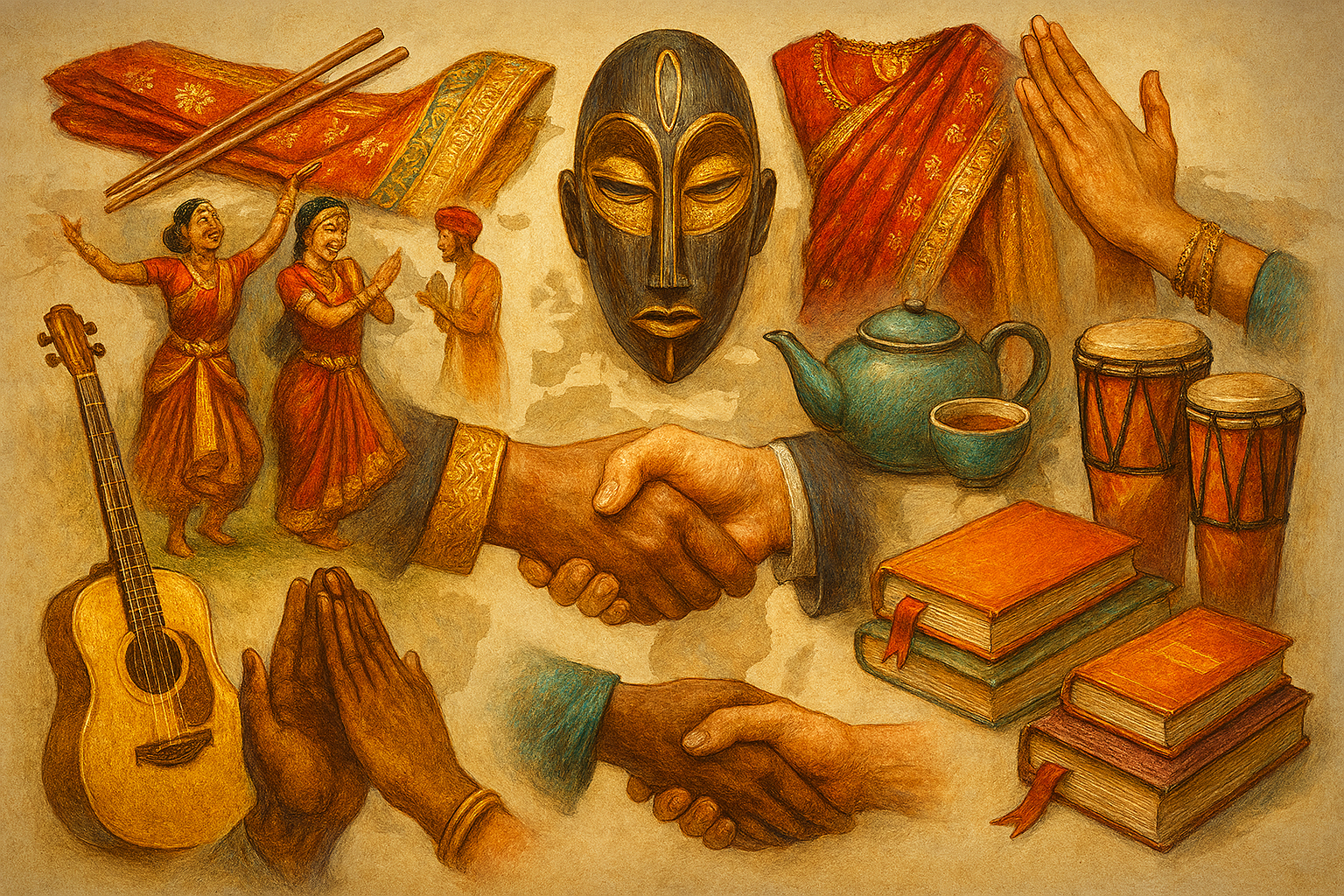
Cultural norms are rules that guide how people behave in a society. They show what is okay and not okay. These rules affect daily life and even laws. Knowing cultural norms helps people get along and understand each other.
What Are Cultural Norms?
Definition:
Cultural norms are the unwritten rules that guide how people behave in a group or society. They show what is right and wrong and help keep society in order.

Key Characteristics
- Shared Expectations: Norms are agreed on by people in a society.
- Guidance for Behavior: They show how people should act in different situations.
- Cultural Specificity: Norms differ across cultures.
Types of Cultural Norms
1. Folkways
- Definition: Everyday rules for casual actions. They are not serious.
- Examples: Shaking hands, dressing nicely, standing in line.
- Violation: Mild disapproval, usually no legal trouble.
2. Mores
- Definition: Rules tied to morals and values. They show right and wrong.
- Examples: Honesty, respecting property, following social roles.
- Violation: Severe social disapproval, sometimes legal penalties.
3. Taboos
- Definition: Strongly forbidden actions that shock society.
- Examples: Incest, cannibalism, child abuse.
- Violation: Extreme social rejection and legal punishment.
4. Laws
- Definition: Formal rules made by governments.
- Examples: Traffic rules, criminal laws, civil rights protections.
- Violation: Legal penalties like fines or jail.
Socialization and Internalization
- Socialization: Learning norms from family, school, and media.
- Internalization: Adopting norms as your own. It leads to conformity and harmony.
Real-World Examples
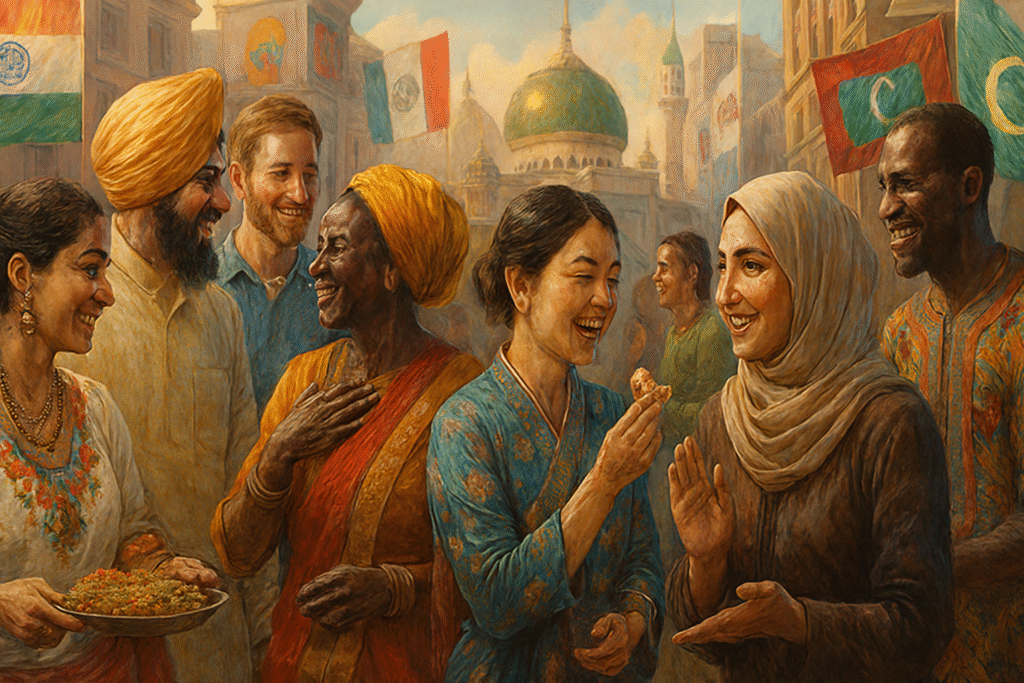
- Eye Contact: Western cultures see it as honesty. Some Asian cultures see looking down as respect.
- Dress Codes: Formal clothes show respect at job interviews. Casual clothes may seem rude in formal events.
- Public Behavior: Speaking loudly may be fine in some cultures but rude in others.
Comparison Table
| Type of Norm | Definition | Examples | Consequences of Violation |
|---|---|---|---|
| Folkways | Everyday casual rules | Shaking hands, dressing nicely | Mild disapproval |
| Mores | Rules tied to morals | Honesty, respecting property | Severe disapproval, legal penalties |
| Taboos | Strongly forbidden actions | Incest, cannibalism | Extreme rejection, legal sanctions |
| Laws | Rules made by government | Traffic rules, criminal laws | Fines, jail, legal penalties |
FAQ
- What are cultural norms?
They are rules that guide behavior and keep society in order. - How are they learned?
Through family, schools, and community. - Can they change?
Yes, norms can change with society, technology, and social movements. - What happens if someone breaks them?
Consequences depend on the rule. They range from mild disapproval to legal penalties. - Do norms differ across societies?
Yes. They affect communication, dress, and social behavior.
Conclusion
Understanding cultural norms helps people get along and respect each other. It leads to harmony and better communication across cultures.
TokyoMart brings you the perfect blend of quality, convenience, and modern lifestyle. From premium iPhone accessories to smart home gadgets and cleaning tools, everything you need is just a click away. Enjoy exclusive deals, fast Japan-only shipping, and 24/7 customer support.
Shop smarter, live better — visit TokyoMart.store
Author Bio:
John Doe is a sociologist with 15 years of experience studying cultural behaviors. He has published works on social norms and their impact on society.
References:
- Fiveable
- study.com
- Helpful Professor
- ThoughtCo
- CliffsNotes
