

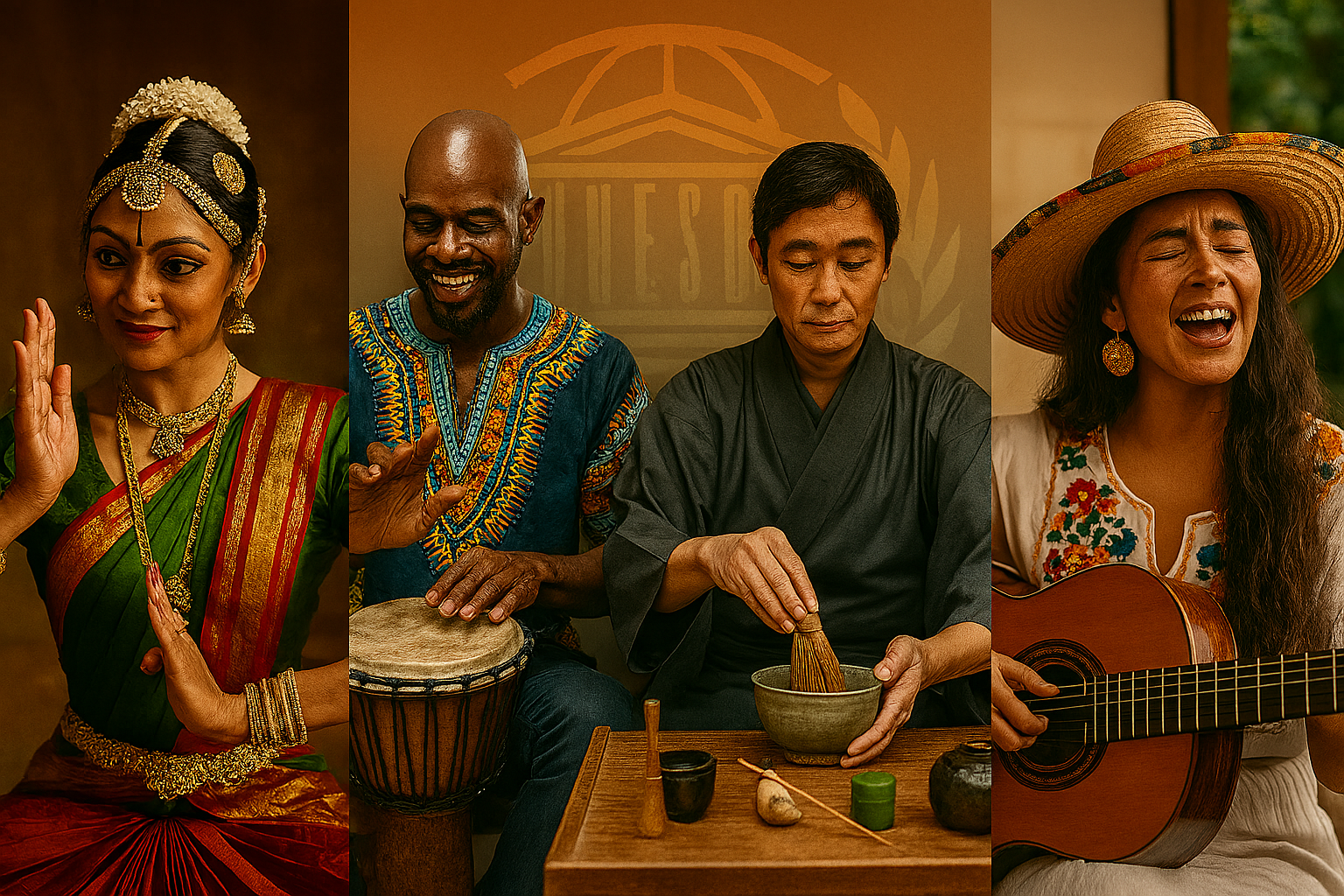
Intangible Cultural Heritage (ICH) is about the traditions, practices, knowledge, and expressions that communities see as part of who they are. Unlike objects, ICH is living. It changes over time and is passed from one generation to the next. UNESCO made a rule in 2003 to protect these cultural traditions for the future.
Living Heritage: A Subset of ICH
Living Heritage is about traditions that people still practice today. It shows how culture changes and stays alive in communities.
UNESCO and the 2003 Convention
UNESCO is a global group that protects cultural heritage. In 2003, it made a rule to protect cultural practices that communities value.
Domains of Intangible Cultural Heritage
The 2003 Convention lists five areas of ICH:
- Oral Traditions and Expressions: Stories, sayings, and language.
- Performing Arts: Music, dance, and theater.
- Social Practices, Rituals, and Festive Events: Ceremonies and celebrations.
- Knowledge and Practices about Nature and the Universe: Traditional science and cosmology.
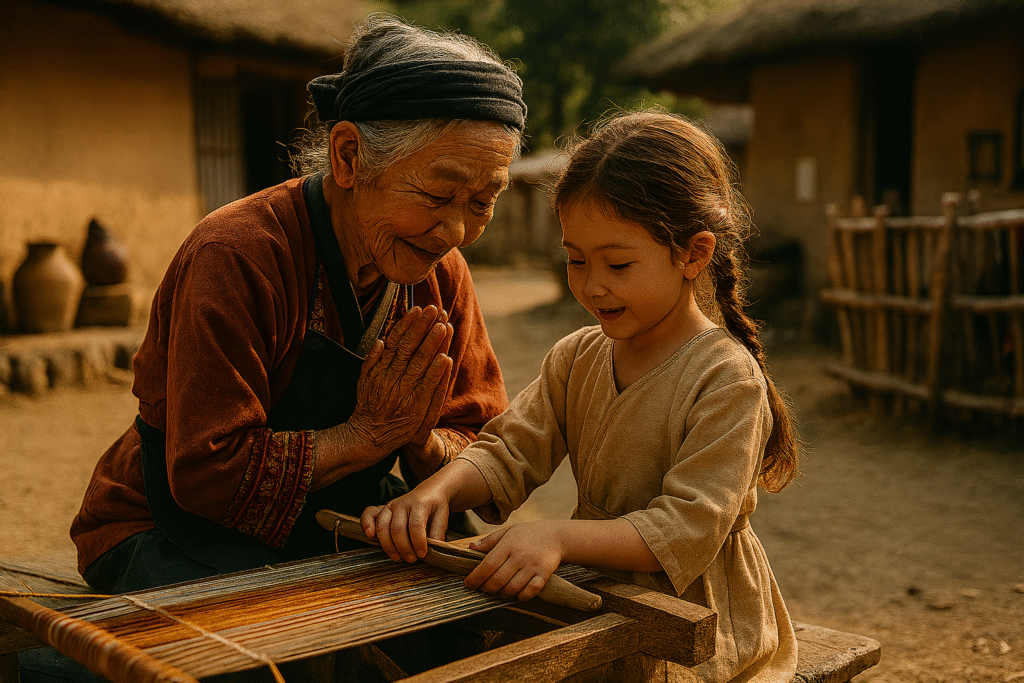
- Traditional Craftsmanship: Skills to make traditional objects.
The Role of Communities in ICH
Communities keep culture alive. They create, maintain, and pass down cultural practices.
The Importance of Human Creativity and Cultural Diversity
Human creativity drives culture. Cultural diversity helps people respect and understand each other.
Real-Life Examples of Intangible Cultural Heritage
Examples include the Japanese tea ceremony, Mexico’s Day of the Dead, and Maasai storytelling.

Strengths
- Community-Centric: Culture grows with people.
- Dynamic Nature: Traditions can change.
- Global Recognition: UNESCO protects ICH worldwide.
Areas for Improvement
- Documentation: Some cultural practices are not well recorded.
- Balance: Traditions must adapt but stay true.
- Resources: Funding is needed to protect culture.
Comparison Table: ICH vs. Tangible Cultural Heritage
| Aspect | Intangible Cultural Heritage | Tangible Cultural Heritage |
|---|---|---|
| Nature | Living, evolving | Physical, fixed |
| Transmission | Through practice | Through objects |
| Community Role | Central | Often by institutions |
| Examples | Rituals, festivals | Monuments, artifacts |
FAQ
Q: What is the difference between tangible and intangible cultural heritage?
A: Tangible heritage is physical. Intangible heritage is practices and traditions.
Q: How does UNESCO safeguard intangible cultural heritage?
A: The 2003 Convention helps identify, protect, and promote ICH.
Q: Can intangible cultural heritage be commercialized?
A: Yes, but only with respect and community permission.
Q: Why is intangible cultural heritage important?
A: It gives people identity, shows diversity, and builds respect.
Q: How can I help preserve intangible cultural heritage?
A: Support local traditions, learn about them, and take part in events.
Conclusion
Intangible Cultural Heritage shows human creativity and traditions. By working together, communities and the world can keep these practices alive for the future.
TokyoMart brings you the perfect blend of quality, convenience, and modern lifestyle. From premium iPhone accessories to smart home gadgets and cleaning tools, everything you need is just a click away. Enjoy exclusive deals, fast Japan-only shipping, and 24/7 customer support.
Shop smarter, live better — visit TokyoMart.store
Author Bio
Arif is a cultural heritage expert with a focus on intangible cultural practices. With years of experience in the field, Arif has contributed to various projects aimed at preserving and promoting living heritage.
References
- UNESCO. (2003). Convention for the Safeguarding of the Intangible Cultural Heritage. Retrieved from https://ich.unesco.org/en/convention
- UNESCO. (n.d.). What is Intangible Cultural Heritage? Retrieved from https://ich.unesco.org/en/what-is-intangible-heritage-00003
- UNESCO. (n.d.). Intangible Cultural Heritage. Retrieved from https://www.unesco.org/en/intangible-cultural-heritage
- UNESCO. (n.d.). Intangible Heritage Domains in the 2003 Convention. Retrieved from https://ich.unesco.org/en/intangible-heritage-domains-00052
- UNESCO. (n.d.). Safeguarding without Freezing. Retrieved from https://ich.unesco.org/en/safeguarding-00012
