

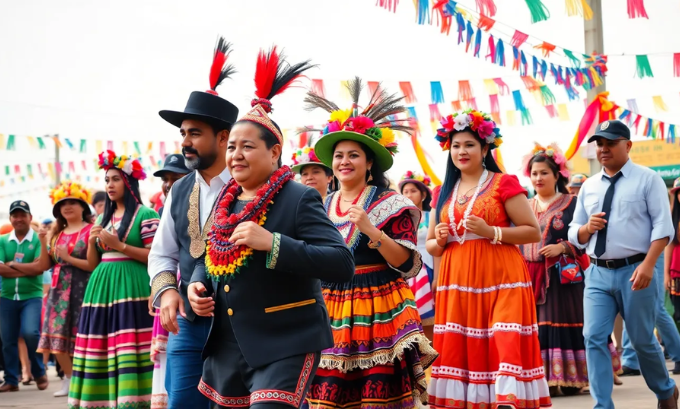
Felmusgano is a special part of culture. It joins symbols, customs, and identity. People value Felmusgano because it keeps old traditions alive. It helps shape what communities believe and who they are. It also lets people show their culture in many ways.
In this article, we will look at Why Felmusgano Is Important in Culture, how Felmusgano works as a tradition, how it saves heritage, what its good and weak sides are, and some common questions about it.
Table of Contents
What Is Felmusgano?
Felmusgano is a special tradition in a community. It may be a ritual, an art form, or a local festival. People take part in it through dance, music, and stories. It may also include symbols, crafts, and seasonal events.
Felmusgano is at the heart of culture, identity, and heritage. It helps people keep old values alive and express who they are. Even though there are no books or studies about it yet, we use the idea of Felmusgano to show how culture lives and changes.
Cultural Heritage and Tradition
Felmusgano keeps old wisdom alive. It carries stories and habits from parents to children. When people take part, they remember their roots. It keeps the past connected to the present.
Many communities add Felmusgano to festivals, rites of passage, or yearly events. This makes them feel proud and close to their history.
Cultural Identity and Social Values
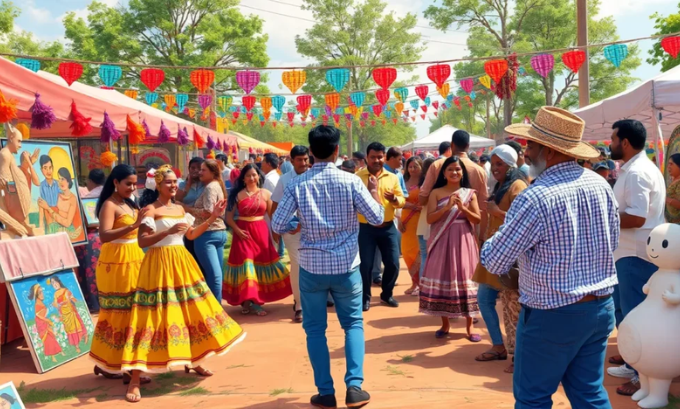
Felmusgano helps people feel they belong. When they join, they share one story and one heart. The songs, dances, and symbols tell who they are.
It also teaches values like respect, unity, and care for nature. When people say “We are people of Felmusgano,” they mean more than pride. It shows their way of life and beliefs.
Cultural Expression, Art, and Symbolism
Felmusgano is full of art.
It shows up in:
- Dance and movement – people move to tell stories.
- Music and song – they use local chants and instruments.
- Art and crafts – symbols appear on clothes and tools.
- Stories and poems – old tales explain what Felmusgano means.
These forms make Felmusgano a living art, not a memory.
Community and Intangible Heritage
Felmusgano lives through people, not objects. Elders teach the young. Artists and singers pass the skill on. It changes a little with time but keeps its soul.
This makes it part of the world’s intangible cultural heritage — the living parts of culture that can’t be touched but matter deeply.
Examples of Felmusgano in Practice
1. Village Festival
Each spring, a village holds a Felmusgano dance. The steps show how the world began. Kids learn by watching and joining. It builds strong community ties.
2. City Revival Group
People in cities form Felmusgano clubs. They record songs, teach kids, and share memories. This helps them stay linked to their roots.
3. Cultural Tourism and Learning
Museums may show Felmusgano dances and art. Visitors learn the meaning behind symbols and songs. This connects local people with the world.
Strengths of Felmusgano
Keeps culture alive through time.
Brings people together in unity.
Adds meaning through art and story.
Teaches values to the young.
Adapts to new times while keeping the old spirit.
Challenges of Felmusgano
If rules are too strict, youth may lose interest.
Turning it into a show for money may harm its meaning.
Without records, the knowledge may fade.
Some groups may argue over how it should be done.
Lack of funds or support can slow growth.
To keep it strong, balance is key — protect its heart, but allow change.
Felmusgano and Other Traditions
| Feature | Felmusgano | Similar Real Tradition |
|---|---|---|
| Role in identity | Central to community | Also core to culture |
| Art forms | Dance, music, story, crafts | Similar creative mix |
| How it’s passed on | Oral teaching, events | Elders, schools, shows |
| Modern change | Adds new styles | Many adapt to tourism |
| Risks | Loss of meaning | Same issues |
| Heritage status | Could be protected | Some already are |
This shows how Felmusgano fits real cultural patterns.
FAQ
Q1. What does Felmusgano mean?
It may come from old words for “community” and “ceremony.” But its true meaning comes from how people use it.
Q2. How do people pass it on?
Through songs, teaching, shows, and shared stories.
Q3. Can it change with time?
Yes. It can grow while keeping its base meaning.
Q4. Is it local or global?
It may start in one area but can spread if shared with care.
Q5. How can we protect it?
By teaching youth, keeping records, and showing it with respect.
Q6. Can it be world-recognized?
Yes, it could gain support as cultural heritage.
Q7. What are the main risks?
Urban life, lost language, lack of money, and wrong use.
Conclusion
Felmusgano matters because it keeps culture alive. It holds memory, art, and value in one form. It builds identity, teaches lessons, and brings joy.
When people protect and share Felmusgano, they keep their story breathing. It is not only an old tradition — it is the living heart of who they are.
Author Bio
Asif is a cultural researcher and content strategist with hands-on experience documenting traditions and community heritage. He studies practices like Felmusgano to explore how they preserve cultural identity, social values, and artistic expression.
